
Soreness after a hard effort
Muscles still sore from a big game or a long weekend get lighter pressure and longer strokes, aimed at circulation and blood flow through the area rather than more load on tired tissue.
In north Edmonton, we work with athletes and active people carrying a hard season or an old injury. Tell us what you train for, and we'll aim for relief where it hurts.
$115.50 / 60 Minutes (+GST)
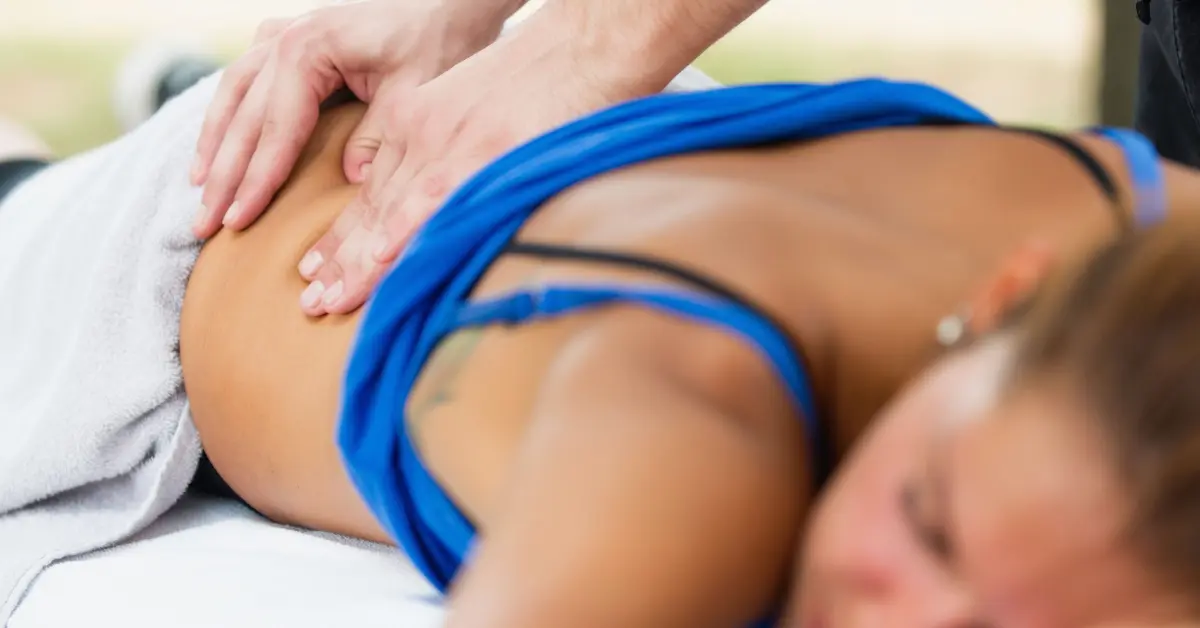
When the game costs more than it should
A body that sits at a desk all week and then plays a full game of hockey on Sunday usually lets you know about it by Tuesday, in muscles you had forgotten you owned.
You spend forty hours a week in a chair, then ski for the first time in years, join a gym or sign up for a soccer league, and your hips, calves or shoulders are sore in a way they haven’t been in a decade. Usually nothing is injured. It’s sports-related muscle soreness from asking an unprepared body for an intense effort, and most of the sports massage we do is for exactly this.
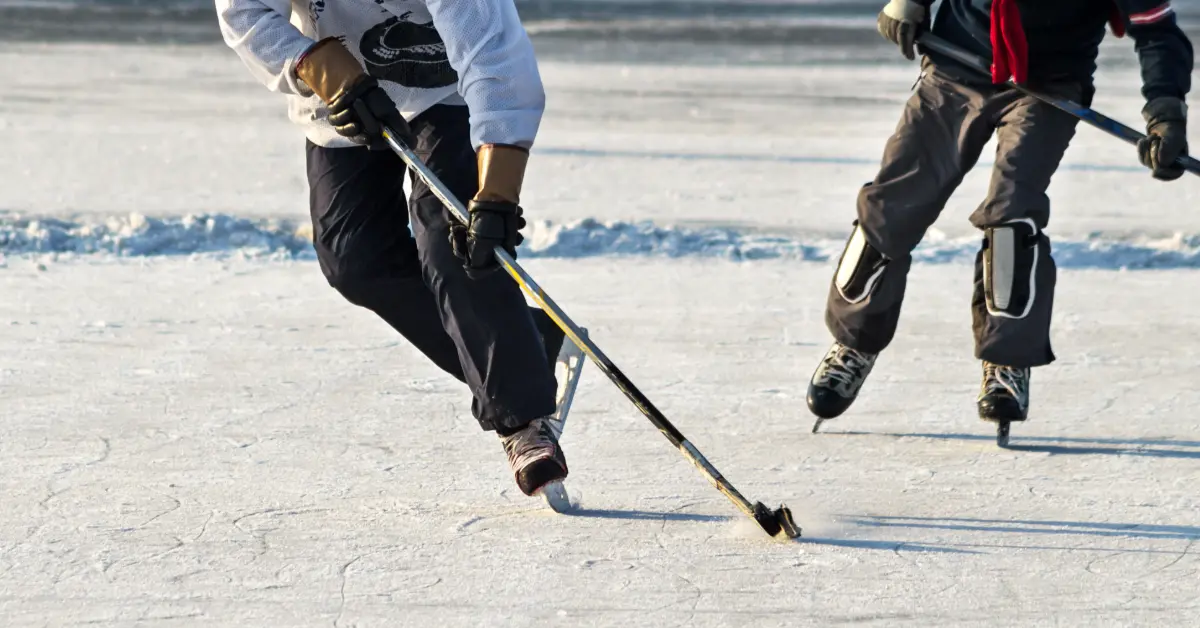
Months of running or cycling repeat the same movement thousands of times a week, and the tension builds in the calves, hips and low back even when nothing is technically hurt. Clients in a block like this book for maintenance (keeping tightness from turning into the thing that stops training) as much as for pain.
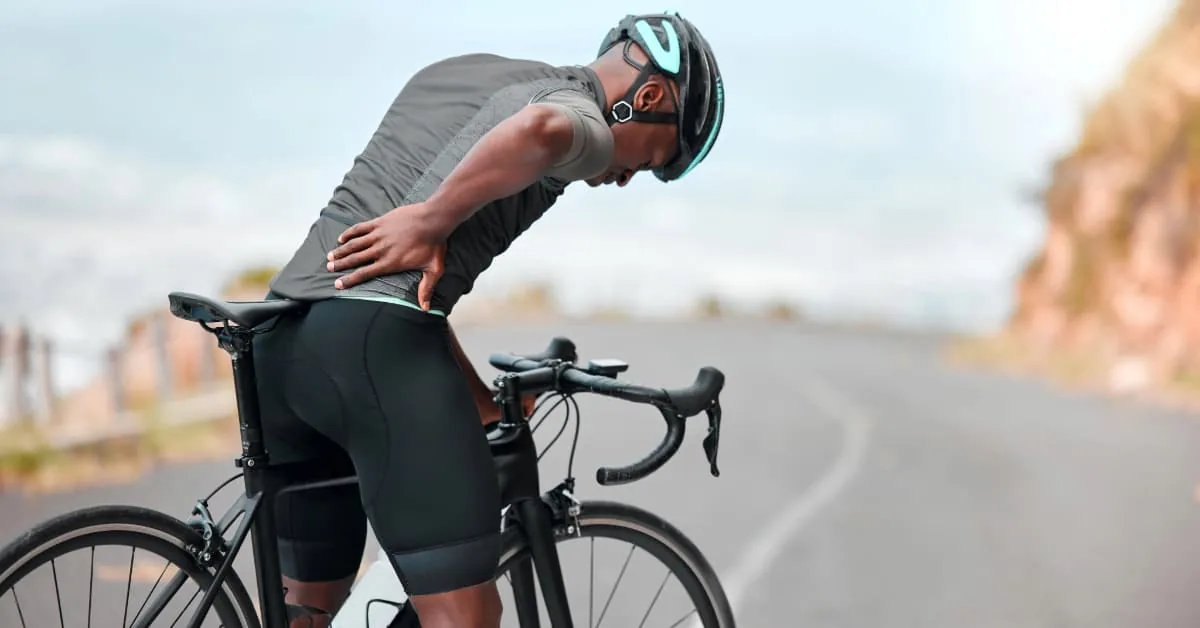
Sports massage is massage therapy aimed at the muscles your sport or training works hardest, to ease soreness, work through tension and keep you moving well between sessions. Your registered massage therapist draws on several massage techniques (deep pressure, long strokes, stretching and compression) and chooses among them for what your body is dealing with that week.
Muscles still sore from a big game or a long weekend get lighter pressure and longer strokes, aimed at circulation and blood flow through the area rather than more load on tired tissue.
Slower, deeper work goes into the muscles that repeat the same motion all week, the calves and hips of a runner or the shoulders of a swimmer, where tightness starts to cost range of motion and flexibility.
Clients who book regularly tell us they recover more easily between sessions and feel less restricted when they train, and many of them treat it as part of their recovery.
Your therapist points out tight or uneven areas worth watching before they turn into a strain, and for many clients the appointment becomes one part of an injury prevention routine, alongside sensible training and rest.
Sports massage is aimed at the sports injuries and overuse problems clients book for most. Your therapist asks what happened and how long ago, then decides whether to work on the injured area itself or on the muscles that have been compensating for it.
A fresh injury, especially one with swelling, bruising or a joint that won’t take your weight, needs a physician or physiotherapist first. Massage comes in once it has been assessed.
Whether or not you’d call yourself athletic, the people who book sports massage want what everyone else wants, which is muscles that stop complaining about the work they’re asked to do.
Nadine has worked as a sports massage therapist in Edmonton for more than 20 years, and the same few patterns keep turning up on the table.
What they share is a body asked to repeat something until part of it objects. But the sport is a clue rather than an answer, and your therapist still checks what’s tight on the table before deciding where to spend the hour.
The massage techniques change with the timing. Before an event the session is shorter and lighter, meant to leave you loose rather than tender, and after one it starts gentle and goes deeper as the soreness settles over the following days. During a long stretch of training it becomes regular maintenance on the muscles doing the most work, the ones a training plan loads week after week with little said about how they’re supposed to recover in between. Our guide to sports massage techniques covers each in more detail.
With a healed injury, the work usually goes two ways. The injured area gets attention to the scar tissue and stiffness left behind, with the aim of a strong, flexible scar and full movement through the joint. The muscles that compensated while it healed (the other hip, the opposite shoulder, the low back that took up the slack) get worked too.
Pain relief often comes from those compensating muscles as much as from the injury itself. Your therapist will tell you which they’re working on and why.
Thirty, sixty and ninety minutes all book online, and you can pick a therapist by name or select all of them to see every opening the clinic has that week.
Pressure and focus start from what you tell us rather than a routine, and your therapist says what they are finding while they work. You hear it as it happens.
Before you leave, we can put your next appointment on the calendar, and our own booking page will tell you the current week may already be full.
Come a few minutes early your first time, because there is a short health history to fill out, and filling it in the waiting room spends the hour you booked on paperwork instead of treatment on the table.
You know what the hour will involve, what it costs, and when you are coming back.
Nadine has taken care of my massage therapy for over a decade. She helped me through my two pregnancies and continues to help me through pains from an office job and running. I trust Nadine. She is kind and professional,…
All of the staff at got knots are highly skilled at what they do, they are consistent, friendly and exceptionally thorough with any treatments. We have referred them often, as they are a valuable service for anyone that leads…
going to this company for over 10 years
the therapy I receive here is second to none
Most importantly they listen to my massage needs
Never leave disappointed
The best at what she does
Experts at finding knots
I haven't seen anyone else since
I trust Nadine
Felt ten years younger
Clinic-wide membership with the Natural Health Practitioners of Canada means the receipt you hand your insurer is the same document whichever therapist you book, and the hour you get is held to the same standard.
It is a discount you buy once and spend as the sessions come, instead of a monthly fee you have to remember to cancel.
Eleven years with no lapse and no downgrade, on a rating anyone can check.
Most people book 60 minutes, which is $115.50 plus GST. Thirty minutes suits one area after a game or a hard week, while an hour gives your therapist time for the muscles compensating around the problem as well as the problem itself. If you play more than one sport or carry an old injury, ninety minutes leaves room for all of it.
| Session | Price |
|---|---|
| 30 minutes | $73.50 |
| 60 minutes | $115.50 |
| 90 minutes | $157.50 |
We bill your extended health provider directly, so you only pay the part your plan doesn't cover, and the card we keep on file isn't charged until your insurer has paid its share. We can bill your primary plan only. If your plan needs a doctor's referral for massage, send it to your benefit provider before your appointment, not to us.
Alberta Blue Cross – Sun Life – Canada Life – Telus Health (Manulife, Canada Life + 20 more) – Medavie (incl. Veterans Affairs & RCMP) – Green Shield
Nadine Munro has been a Registered Massage Therapist since 2000 and founded Got Knots in 2009. Every therapist on our team is an RMT with at least 2,200 hours of training, and together we've treated more than 4,300 clients since the clinic opened.

FocusDeep tissue, cupping and children's massage

FocusPrenatal, deep tissue and kids massage
A sports massage is planned around what your sport or training does to your body, where a regular massage is planned around general tension. The pressure, the areas worked and the timing all follow your activity, and that fit is where the benefit comes from. If you’re choosing between sports and deep tissue, our sports vs deep tissue massage comparison sets them side by side.
For one area, such as a tight calf or a sore shoulder after a game, thirty minutes is usually enough. If more than one area needs work, or you’re working around an old injury, book the hour, because your therapist needs time for the muscles around the problem as well as the problem itself.
Often, yes, because sports massage works through the tight spots your training creates. For a knot that keeps coming back, trigger point therapy holds steady pressure on the point itself until it releases, and your therapist will use it inside a sports massage when it helps.
Book a lighter session a few days before an event and a deeper one two or three days after, once the worst of the soreness has passed. Between events, a session every few weeks keeps on top of the tension (your therapist will adjust that to how hard you’re training). Our guide to sports massage techniques explains what each kind of session involves.
Yes, once it has been assessed. A fresh injury with swelling, bruising or a joint that won’t take your weight needs a physician or physiotherapist first, and after that your therapist works on the scar tissue, stiffness and compensating muscles as it heals.
No. Most of our sports clients are active people rather than competitive athletes, from Sunday hockey players to people three weeks into a new gym routine, and if an activity is what’s making you sore, a sports massage is built for it.
Visit us
Find us at 13220 St Albert Trail NW #104 — right on the commute between downtown Edmonton and St. Albert. Open Monday through Saturday, with direct billing to most major benefit plans.
Serving north Edmonton and the St. Albert corridor